Rumtu Top Trek 7Night 8Days
Location
Himachal Pradesh ( Manali)
Trek Duration
8 Days
Trek Distance
40 km
Difficulty Level
Moderate
Altitude
11,000 ft.
Best Season
May-October
Starts From ₹9,375
₹7,500 20% Off
Per Person
+91 97363-17490
For instant query you can reach us here
Rumtu Top Trek Overview
About Rumtu Top Trek
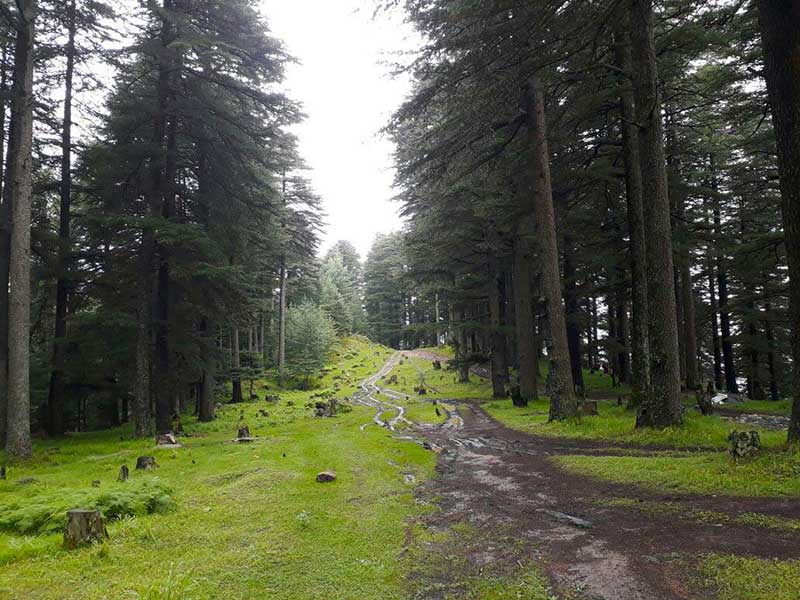
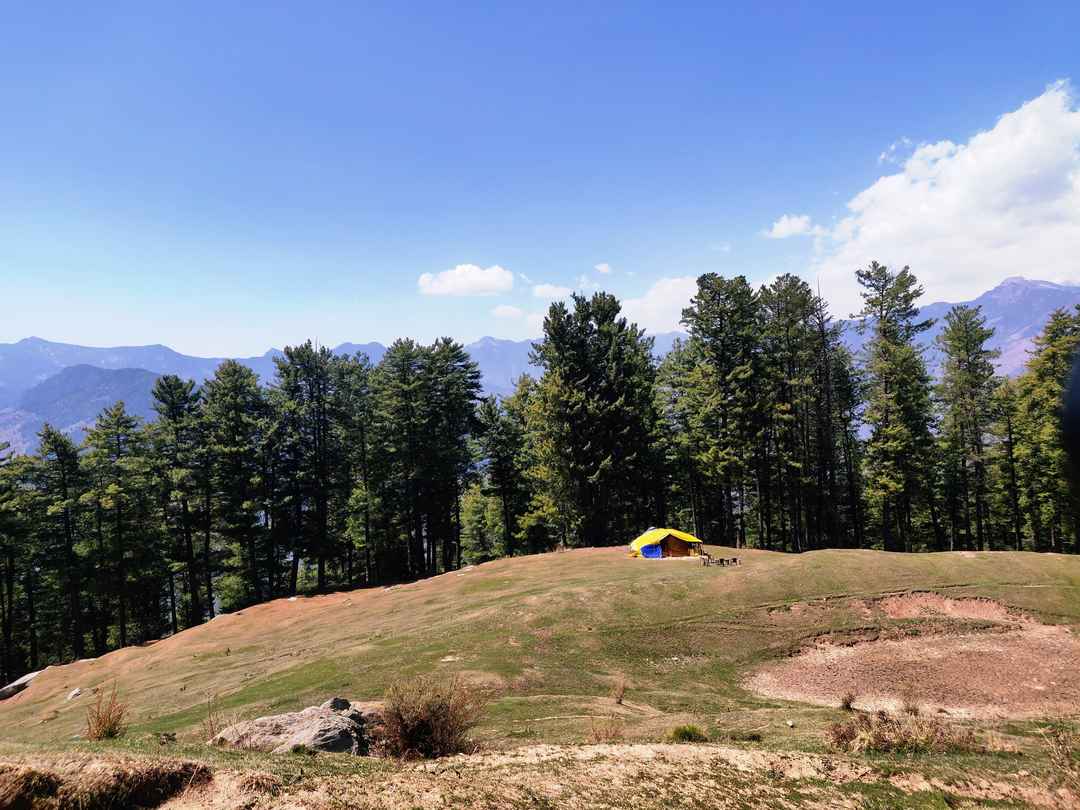
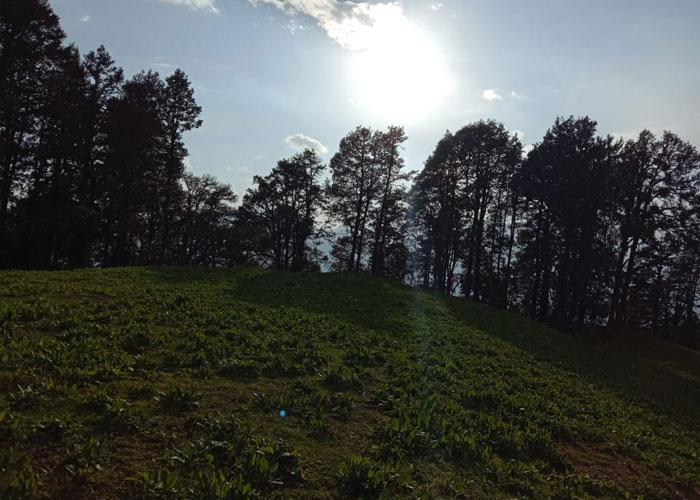
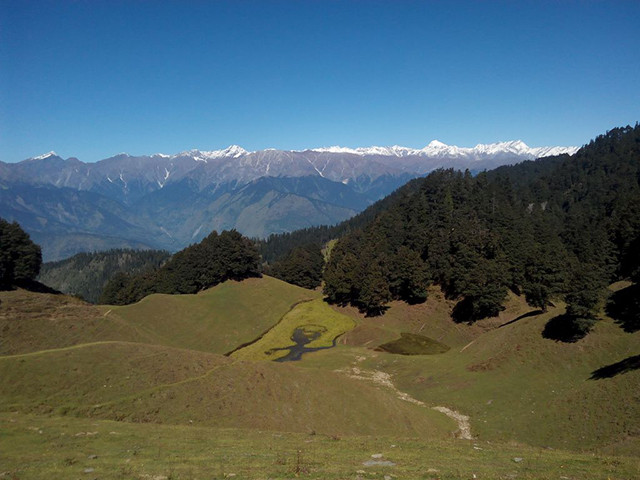
The Rumtu Top trek is an exhilarating adventure nestled in the breathtaking landscapes of Himachal Pradesh, India. Over the course of several days, trekkers embark on a journey through diverse terrain, from verdant forests to alpine meadows, ultimately ascending to the majestic summit of Rumtu Top.Starting from Manali, the trek winds its way through charming villages like Jagatsukh and Khanol, offering glimpses of local culture and traditions. Trekking through picturesque valleys and alongside gurgling streams, adventurers make their way to the tranquil campsite at Chikka, where they rest and rejuvenate amidst nature’s serenity.The trek’s highlight is the ascent to Rumtu Top Base Camp, where trekkers navigate rocky paths and steep inclines, rewarded by sweeping views of the surrounding Himalayan peaks. From the base camp, the journey continues to the summit of Rumtu Top, where trekkers are greeted by awe-inspiring vistas stretching as far as the eye can see.Descending back to base camp, trekkers reflect on their achievements and immerse themselves in the tranquility of the mountains.
Rumtu Top Trek Highlights
- Breathtaking Scenery: Marvel at the stunning vistas of snow-capped peaks, verdant valleys, and alpine meadows that unfold throughout the trek.
- Charming Villages: Immerse yourself in the local culture as you pass through quaint villages like Jagatsukh and Khanol, offering insights into the traditional way of life in the Himalayas.
- Tranquil Campsites: Relax and rejuvenate amidst nature's serenity at picturesque campsites like Chikka, where you can unwind and soak in the beauty of your surroundings.
- Rugged Terrain: Challenge yourself as you navigate diverse terrain, from dense forests to rocky paths and steep inclines, adding an element of adventure to the trek.
- Rumtu Top Base Camp: Reach the base camp and be rewarded with panoramic views of the surrounding Himalayan peaks, serving as a prelude to the grandeur of Rumtu Top summit.
- Summit of Rumtu Top: Conquer the lofty heights of Rumtu Top and be awestruck by the unparalleled vistas stretching across the horizon, offering a sense of accomplishment and wonder.
- Sense of Achievement: Experience the exhilaration of completing the trek and conquering Rumtu Top, leaving you with a profound sense of accomplishment and fulfillment.
Trek Route
- Day 1: Arrival at Chetti Base Camp
- Day 2: Drive to Chansari and Trek to Kashadhra
- Day 3: Kashadhra to Matikochar
- Day 4: Matikochar to Dohra
- Day 5: Dohra to Chaklani (Rumtu Summit)
- Day 6: Chaklani to Steling
- Day 7: Steling to Rumsu Village and Drive Back to Base Camp
- Day 8: Departure from the Base Camp
Daily batch movement
April
May
June
April
| Batch Number | Date | Status |
|---|---|---|
| 1. | 11 April – 15 April 2024 | Open |
| 2. | 12 April – 16 April 2024 | Open |
| 3. | 13 April – 17 April 2024 | Open |
| 4. | 14 April – 18 April 2024 | Open |
| 5. | 15 April – 19 April 2024 | Open |
| 6. | 16 April – 20 April 2024 | Open |
| 7. | 17 April – 21 April 2024 | Open |
| Batch Number | Date | Status |
|---|---|---|
| 8. | 18 April – 22 April 2024 | Open |
| 9. | 19 April – 23 April 2024 | Open |
| 10. | 20 April – 24 April 2024 | Open |
| 11. | 21 April – 25 April 2024 | Open |
| 12. | 22 April – 26 April 2024 | Open |
| 13. | 23 April – 27 April 2024 | Open |
| 14. | 24 April – 28 April 2024 | Open |
May
| Batch Number | Date | Status |
|---|---|---|
| 1. | 11 May – 15 May 2024 | Open |
| 2. | 12 May – 16 May 2024 | Open |
| 3. | 13 May – 17 May 2024 | Open |
| 4. | 14 May – 18 May 2024 | Open |
| 5. | 15 May – 19 May 2024 | Open |
| 6. | 16 May – 20 May 2024 | Open |
| 7. | 17 May – 21 May 2024 | Open |
| Batch Number | Date | Status |
|---|---|---|
| 8. | 18 May – 22 May 2024 | Open |
| 9. | 19 May – 23 May 2024 | Open |
| 10. | 20 May – 24 May 2024 | Open |
| 11. | 21 May – 25 May 2024 | Open |
| 12. | 22 May – 26 May 2024 | Open |
| 13. | 23 May – 27 May 2024 | Open |
| 14. | 24 May – 28 May 2024 | Open |
June
| Batch Number | Date | Status |
|---|---|---|
| 1. | 11 June – 15 June 2024 | Open |
| 2. | 12 June – 16 June 2024 | Open |
| 3. | 13 June – 17 June 2024 | Open |
| 4. | 14 June – 18 June 2024 | Open |
| 5. | 15 June – 19 June 2024 | Open |
| 6. | 16 June – 20 June 2024 | Open |
| 7. | 17 June – 21 June 2024 | Open |
| Batch Number | Date | Status |
|---|---|---|
| 8. | 18 June – 22 June 2024 | Open |
| 9. | 19 June – 23 June 2024 | Open |
| 10. | 20 June – 24 June 2024 | Open |
| 11. | 21 June – 25 June 2024 | Open |
| 12. | 22 June – 26 June 2024 | Open |
| 13. | 23 June – 27 June 2024 | Open |
| 14. | 24 June – 28 June 2024 | Open |
Itinerary 7 Nights 8 Days
Day 1: Arrival at Chetti Base Camp
Altitude: 6,700 ft
Trek Distance: No trekking on this day.
Trek Duration: Arrival and acclimatization in Chetti(Naggar)
- This marks the beginning of your trekking adventure. You’ll arrive at Chetti Base Camp, which serves as the starting point for the Rumtu Top Trek.
- Chetti Base Camp is located near Naggar and sits at an altitude of approximately 6,700 feet (2,042 meters) above sea level.
- Upon arrival, you’ll check into your accommodation and have some time to rest and acclimatize to the altitude.
- This day is primarily dedicated to relaxation and preparation for the upcoming trek.
Day 2: Drive to Chansari and Trek to Kashadhra
Altitude: 7,300 feet
Trek distance: 8 kms
Trek Duration: 4-5 hours
- After breakfast, you’ll embark on a drive to Chansari, which is situated at an altitude of around 7,300 feet (2,225 meters) above sea level.
- During the trek, you’ll have the opportunity to visit Bijli Mahadev Temple, perched at 2,460 meters in Himachal Pradesh, known for its unique lightning-attracting staff and breathtaking views of the Himalayas.
- From Chansari, your trekking journey begins as you make your way to Kashadhar.
- The trekking distance for this day is approximately 5 miles (8 kilometers), which should take around 4-5 hours to complete.
- Along the way, you’ll traverse through diverse landscapes, including forests and meadows, while enjoying scenic views of the surrounding terrain.
- Upon reaching Kashadhar, you’ll set up camp for the night and spend the evening amidst nature.
Day 3: Kashadhra to Matikochar
Altitude: 8,200 ft
Trek distance: 9-10 kms
Trek Duration: 5-6 hours
- Today’s trekking route takes you from Kashadhar to Matikochar, situated at an altitude of around 8,200 feet (2,500 meters) above sea level.
- The trekking distance for the day is approximately 6 miles (9.7 kilometers), with an estimated duration of 5-6 hours.
- As you trek, you’ll be treated to panoramic views of the mountains and valleys that surround you.
- Upon reaching Matikochar, you’ll set up camp for the night, surrounded by the tranquility of the wilderness.
Day 4: Matikochar to Dohra
Altitude: 10,000 ft
Trek Distance: 11-12 kms
Trek Duration: 6-7 hours
- Your trek continues from Matikochar to Dohra, which sits at an altitude of approximately 10,000 feet (3,048 meters) above sea level.
- Today’s trekking distance is around 7 miles (11.3 kilometers), with an estimated duration of 6-7 hours.
- The trail may involve some challenging ascents and descents as you make your way through the rugged terrain.
- Upon reaching Dohra, you’ll set up camp for the night and rest after a day of trekking.
Day 5: Dohra to Chaklani (Rumtu Summit)
Altitude: 12,500 ft
Trek Distance: 8 kms
Trek Duration: 6-7 hours
- This is a significant day as you trek from Dohra to Chaklani, also known as the Rumtu Summit, which stands at an altitude of around 12,500 feet (3,810 meters) above sea level.
- The trekking distance for today is approximately 5 miles (8 kilometers), with an estimated duration of 6-7 hours.
- As you ascend towards the Rumtu Summit, you’ll be rewarded with breathtaking views of the majestic Himalayas.
- Upon reaching Chaklani, you’ll set up camp for the night, surrounded by the awe-inspiring beauty of the mountains.
Day 6: Chaklani to Steling
Altitude: 10,000 ft
Trek Distance: 12-13 kms
Trek Duration: 7-8 hours
- Today, you’ll descend from Chaklani to Steling, which is situated at an altitude of around 10,000 feet (3,048 meters) above sea level.
- The trekking distance for the day is approximately 8 miles (12.9 kilometers), with an estimated duration of 7-8 hours.
The trail will take you through varied terrain, including forests and meadows, as you make your way towards Steling. - Upon reaching Steling, you’ll set up camp for the night and unwind after a day of trekking.
Day 7: Steling to Rumsu Village and Drive Back to Base Camp
Altitude: 7,800 ft
Trek Distance: 9-10 kms
Trek Duration: 5-6 hours
- This marks the final leg of your trekking journey as you trek from Steling to Rumsu Village, which is situated at an altitude of approximately 7,800 feet (2,377 meters) above sea level.
- The trekking distance for today is approximately 6 miles (9.7 kilometers), with an estimated duration of 5-6 hours.
- As you descend towards Rumsu Village, you’ll pass through forests and villages, soaking in the sights and sounds of the surroundings.
- Upon reaching Rumsu Village, you’ll conclude your trekking adventure and embark on a drive back to Chetti Base Camp.
- Back at Chetti Base Camp, you’ll spend the night and reflect on the memorable experiences of your trek.
Day 8: Departure from the Base Camp
Altitude: 6,700 feet
Trek Distance: No trekking on this day.
Trek Duration: Departure from the base camp
- After breakfast at Chetti Base Camp, it’s time to bid farewell to the serene wilderness and embark on your journey back home.
- This marks the end of your Rumtu Top Trekking adventure.
Starts From ₹9,375 ₹7,500/PP 20% Off
How to reach the Base Camp Chetti?
By Air:
- The nearest airport to Chetti Naggar is Bhuntar Airport, also known as Kullu-Manali Airport (IATA: KUU).
- Once you land at Bhuntar Airport, you’ll need to travel by road to reach
Chetti Naggar, which is approximately 30 kilometers away. You can hire a taxi or use public transport like buses. The journey typically takes around 1 to 1.5 hours depending on traffic conditions.
By Road:
- From Delhi: Chetti Naggar is approximately 500 kilometers from Delhi. To travel by road, you can either drive yourself or hire a taxi. The route takes you through cities like Chandigarh, Mandi, and Kullu. It usually takes around 12-14 hours to cover this distance, depending on traffic and road conditions.
- From Manali: If you’re starting your journey from Manali, Chetti Naggar is around 20-25 kilometers away. You can hire a taxi or use local buses to reach Chetti Naggar from Manali. The journey typically takes approximately 1 to 1.5 hours by road.
By Train:
- The nearest major railway station to Chetti Naggar is Chandigarh Railway Station. From Chandigarh, you’ll need to continue your journey by road, either by taking a bus or hiring a taxi. The distance between Chandigarh and Chetti Naggar is around 300 kilometers, and it usually takes around 8-9 hours to cover this distance by road.
- Alternatively, you can take a train to Joginder Nagar Railway Station, which is the nearest narrow gauge railway station. However, after reaching Joginder Nagar, you’ll still need to travel by road to reach Chetti Naggar, which is approximately 130 kilometers away. This leg of the journey would typically take around 4-5 hours by road.
Things to Carry
Embarking on a thrilling journey with Zenith Adventures? Here’s your personalized list of must-have items tailored for your trekking expedition. This comprehensive guide outlines essential gear categorized into five distinct sections. Please note that the list exclusively covers items to be brought along by participants, excluding those furnished by Zenith Adventures during the trek. Let’s dive in!
Trail Gear
- Rucksack with a rain cover x1
- Daypack (Recommended for summit days)
- Headlamp with spare batteries x1
- UV protection sunglasses x1 (Check out our guide for selecting the perfect trekking sunglasses.)
- Water bottles: 2 bottles of 1 liter each
Footwear Essentials
- Non-skid, high-ankle trekking shoes x1
- Lightweight slipper/sandals x1
Clothing Selection
- Quick-dry warm lower or track pants x2
- Full sleeves t-shirts/sweatshirts (1 for every 2 days of trekking)
- Thick woolen socks (1 pair for every two days of trekking)
- Thermal body warmer (upper & lower) x1
- Undergarments (1 for every day of trekking)
- Warm jacket with closed wrists & neck x1
- Full sleeves sweater x1
- Rainwear (jacket & pants) x1
- Waterproof, warm gloves x1
- Woolen cap x1
- Sun-shielding hat x1
Toiletry Essentials
- Personal toiletries kit (including small towel, toilet paper, paper soap, bar soap, toothbrush, toothpaste, cold cream, etc.)
- Sunscreen lotion (small pack) x1 (Refer to our Sun Protection 101 guide for outdoor safety.)
- Lip balm (small pack) x1
Utensils & More
- Small-sized, lightweight, leak-proof lunch box x1
- Plate x1
- Spoon x1
- Tea/coffee (plastic) mug x1
Extras
- Camera (Optional)
- Ample supply of personal medications (Consult your doctor prior to the trek.)
- Dry fruits, nuts, chocolate bars (Optional)
- Ensure your journey is filled with excitement and comfort by packing these essentials. Adventure awaits!
Participant Advisory:
Regulations:
- The use of smoking, alcohol, and narcotics is explicitly forbidden throughout the program.
Lodging:
- Participants are required to remain within the camp premises for the entirety of the camp’s duration; staying outside of the designated camp area is not permitted.
Environmental Conservation:
- Promote an environmentally conscious trekking atmosphere.
- Collect any litter encountered along the trail and dispose of it responsibly at the base camp.
Campfire Guidelines:
- Burning wood for campfires is strictly prohibited.
- Transporting non-biodegradable materials into Himalayas is considered a violation of regulation
Inclusion & Exclusion
Inclusion
- Trekking Guide: A knowledgeable and experienced guide who is familiar with the route and can ensure your safety throughout the trek.
- Permits and Permissions: Necessary permits and permissions required for the trek. This might include national park entry fees or special permits for certain areas.
- Accommodation: Accommodation arrangements during the trek. This could range from camping in tents to staying in guesthouses or homestays along the route.
- Meals: Provision of meals during the trek. This usually includes breakfast, lunch, and dinner. Meals are often simple and nutritious, catering to the energy requirements of trekkers.
- Porters/Mules: Assistance for carrying heavy loads such as camping equipment, food supplies, and personal belongings. Porters or mules may be provided depending on the trekking company’s arrangements.
- Safety Equipment: Basic safety equipment such as first aid kits, ropes, and emergency communication devices.
- Transportation: Transportation arrangements from the starting point of the trek to the trailhead and back.
- Orientation and Briefing: Pre-trek briefing and orientation to familiarize trekkers with the route, safety guidelines, and any other relevant information.
- Backup Support: Contingency plans and support in case of emergencies or unforeseen circumstances during the trek.
Exclusion
- Personal Expenses: Any personal expenses such as snacks, beverages, souvenirs, or additional meals not included in the trek package.
- Travel Insurance: Trekking companies usually do not include travel insurance in their packages. Trekkers are advised to purchase comprehensive travel insurance covering medical emergencies, trip cancellations, and evacuations.
- Equipment Rental: Rental charges for trekking equipment such as trekking poles, sleeping bags, and jackets if you choose to rent them instead of bringing your own.
- Tips and Gratuities: Tips for guides, porters, and support staff are usually not included in the package and are left to the discretion of the trekkers.
- Personal Gear and Clothing: Personal trekking gear and clothing such as hiking boots, backpacks, and thermal wear are typically not provided and are the responsibility of the trekkers to bring.
- Additional Accommodation: Accommodation before or after the trek, as well as any extra nights or upgrades beyond what is included in the package.
- Transportation to and from the Starting Point: Any transportation costs incurred to reach the starting point of the trek from your place of origin are generally not included.
- Medical Expenses and Medications: Expenses related to medical treatment, medications, or medical evacuation in case of emergencies are usually not covered in the trek package.
- Optional Activities: Costs associated with optional activities or excursions not included in the standard trek itinerary.
- Any Expenses Due to Delays or Changes: Any additional expenses incurred due to delays, changes in itinerary, or unforeseen circumstances beyond the trekking company’s control.
Why Zenith?
Why Zenith Adventure?
We’re here to give you the greatest experience possible through the eyes of highly skilled and qualified specialists who have a passion for adventure sports.
- Zenith Adventure Emphasize safety, Security and quality
- Programs offered during all season at different location
- Program tailored to clients needs
- To get Perfect blend of recreation and education experience
- Swift response to an unforeseen emergency or extreme situations and quick evacuation.
- Leaders, Guides and Crew trained in first-aid, search rescue.
Frequently Asked Questions
The Rumtu Top trek is considered moderately challenging. It involves steep ascents, rocky terrain, and variable weather conditions. Prior trekking experience and good physical fitness are recommended.
The best time to undertake the Rumtu Top trek is during the summer and early autumn months, from May to October. During this period, the weather is generally favorable, and the trails are more accessible.
Rumtu Top stands at an altitude of approximately 11,500 feet (3,505 meters) above sea level. The trek involves an altitude gain of around 5,000 feet from the basecamp to the summit.
The total trekking distance for the Rumtu Top trek, including the ascent to the summit and the return journey, is approximately 20 kilometers.
Accommodation facilities along the Rumtu Top trek route are limited. Trekkers typically camp at designated campsites or set up tents in suitable locations. It is advisable to carry your own camping gear.
While hiring a guide is not mandatory, it is recommended, especially for inexperienced trekkers. A guide can provide valuable assistance, navigation support, and enhance safety during the trek.
Essential items to pack for the Rumtu Top trek include trekking gear, warm clothing, waterproof layers, sturdy hiking boots, camping equipment, first aid kit, snacks, water bottles, and personal medication.
As of the latest information available, permits are not required for the Rumtu Top trek. However, trekkers should check with local authorities or trekking agencies for any updated regulations or permits that may be necessary.
The Rumtu Top trek passes through diverse ecosystems, offering opportunities to encounter various wildlife species such as Himalayan birds, deer, and occasionally, mountain goats. Trekkers should maintain a safe distance and avoid disturbing the wildlife.
Some safety precautions to consider include acclimatizing properly to the altitude, staying hydrated, following the designated trail, informing someone about your trekking plans, carrying emergency supplies, and being prepared for changing weather conditions.
Location details about Rumtu Top Trek
Starting Point
Chetti(Naggar)
End Point
Manali
Policies
Payment Term Policy
Confirmation Policy
Cancelation Policy
Refund Policy
Advisory
Payment Term Policy
- 100.0% of total tour cost will have to be paid 0 days before the date of booking
Confirmation Policy
- Upon booking with Zenith Adventure, you will receive a confirmation email within 24 hours. This email will contain your booking details and a confirmation voucher
- If slots are unavailable, alternative options provided and new voucher with updated details sent for alternative bookings
- Bookings can be made online or through our authorized travel agents.
Cancelation Policy
- Full refund available for cancellations made at least 30 days before the trek departure date.
- Partial refund (50%) for cancellations made between 15 to 29 days before the trek departure date.
- No refund for cancellations made within 14 days of the trek departure date.
Refund Policy
- Refunds, when eligible, will be processed within a timeframe of 7 business days.
Advisory
- Carry minimal weight during the trek.
- Ensure you are physically and medically fit to undertake the trek.
- Stay hydrated and carry energy snacks for sustained energy levels.
- Disclose any pre-existing medical conditions or special requirements to Zenith Adventure.
- Follow safety instructions provided by the trek leaders and guides.
- Pack appropriate gear and clothing for the trekking conditions.
- Maintain eco-friendly practices; do not litter.
- Stay with the group; do not wander off alone.
- Respect the local environment and communities encountered during the trek.
- Undergo a medical check-up before the trek. Individuals with health conditions like asthma are advised against participating; however, they may choose to do so at their own risk.
- Report any discomfort to the trek leader.
- In case of emergency or assistance, contact the trek leader or Zenith Adventure’s emergency contacts immediately.